Custom AI Tools for Businesses That Work
AI For Businesses
Custom AI tools for businesses can cut admin, speed delivery and reduce software waste - if built around real workflows, ownership and use.

Most businesses do not need another AI subscription. They need one or two useful systems that remove repetitive work, tighten up delivery and stop good ideas getting stuck in someone’s notes app. That is where custom ai tools for businesses earn their keep.
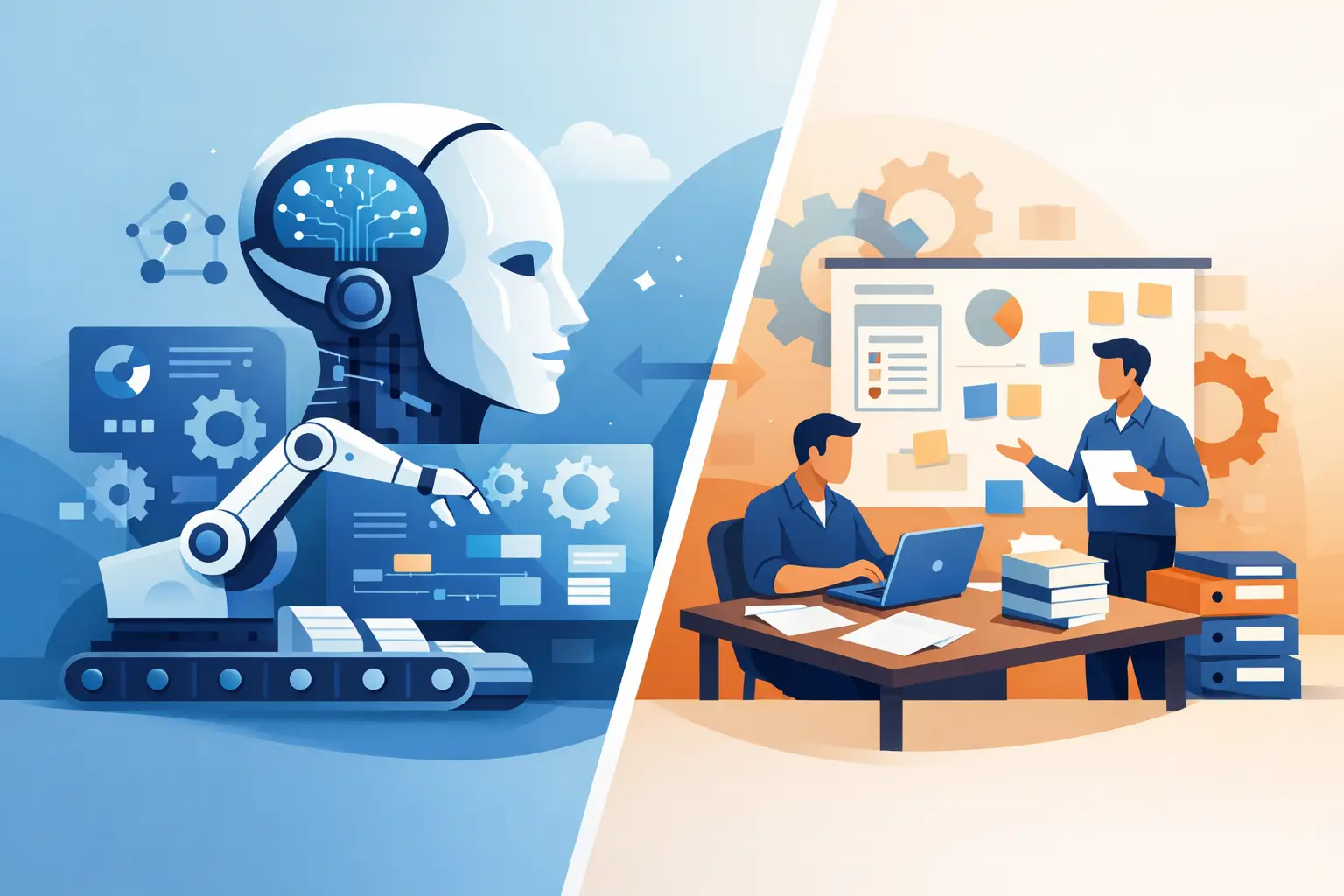
The difference is simple. Off-the-shelf AI tools are built for broad use. They can be helpful, but they often bring extra software, patchy adoption and workflows that still rely on people copying and pasting between systems. Custom tools start with the way your business already works. They are shaped around your team, your data, your clients and your actual bottlenecks.
For a small or mid-sized business, that matters more than novelty. The goal is not to say you are using AI. The goal is to run a tighter operation.
What custom AI tools for businesses actually mean
A custom AI tool is not always a fully bespoke platform that takes six months to build. In many cases, it is a practical layer added to existing systems so work moves faster and with less manual effort.
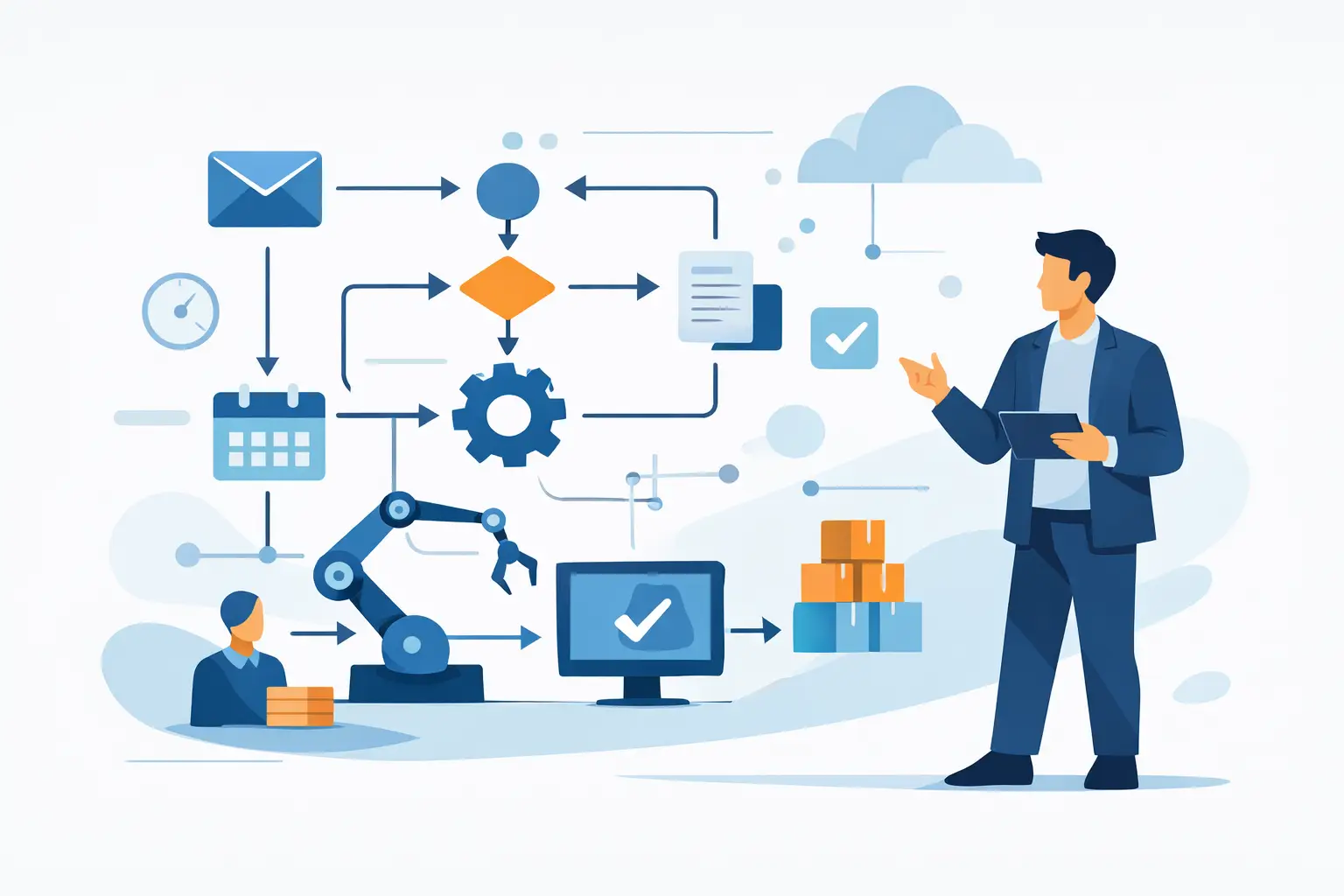
That could mean a quoting assistant built on top of your current sales process, an internal knowledge tool that answers team questions using your own documents, or a client onboarding workflow that pulls information from forms, checks it, drafts next steps and updates your project system automatically.
The key point is that the tool is designed around your process rather than forcing your process to fit a generic app.
That also means the build can be proportionate. Some businesses need a lightweight internal tool using existing software and a few well-designed automations. Others need a more involved system with user permissions, workflow logic and ongoing support. There is no prize for overbuilding.
Why generic AI tools often fall short
Plenty of businesses start with general-purpose AI tools because they are quick to access and easy to trial. That is reasonable. The problem comes when a promising experiment turns into a messy operating model.
One person uses one tool for drafting. Someone else uses another for meeting notes. A manager buys a third platform for reporting. Soon the team has overlapping subscriptions, inconsistent outputs and no clear ownership. The business is spending more, but the actual work still depends on memory, workarounds and manual checking.
Generic tools also struggle with context. They do not know your pricing rules, internal terminology, approval steps or service delivery standards unless someone builds that logic around them. Without that layer, you are left with helpful fragments rather than a usable system.
This is why many firms do not have an AI problem. They have a workflow problem with AI sprinkled on top.
Where custom tools make the biggest difference
The best opportunities are rarely glamorous. They sit in the parts of the business that quietly drain time every week.
Operations is usually the strongest place to start. If your team spends hours chasing updates, formatting documents, moving information between systems or checking the same details repeatedly, there is a good chance a custom tool can remove friction quickly.
Sales and client service are also common areas. A business might need AI to qualify enquiries, generate first-draft proposals, summarise discovery calls, prepare handovers or keep client records current. None of that is flashy. All of it affects revenue, speed and consistency.
Internal knowledge is another strong use case. Many growing businesses rely too heavily on a few experienced people who know how things work. A custom AI assistant trained on internal documents, policies, service notes and templates can reduce interruptions and make the business less fragile.
Then there is management reporting. Owners and managers often spend too much time pulling figures from different places, asking for updates and trying to work out what is actually blocked. A well-built internal reporting flow can surface issues earlier and reduce the admin load on the people running the business.
What a good custom build looks like
A useful custom AI tool should feel boring in the best possible way. It should fit into normal working habits, reduce the number of steps in a task and be clear enough that the team actually uses it.
That usually means a few things. First, it connects to systems you already rely on where possible. Second, it uses your data and language rather than generic prompts copied from the internet. Third, it has clear rules for where human review is needed.
It should also be owned properly. If the tool only works because an outside consultant controls the setup, the business has not solved much. Real value comes when the system is built on your accounts, documented clearly and managed in a way your team can understand.
This is where many projects go wrong. The technical build may be clever, but the business still cannot maintain it, improve it or trust it.
The trade-offs business owners should understand
Custom does not automatically mean better. It means more specific. That can be a major advantage, but it comes with decisions.
A bespoke workflow usually takes more thought upfront than buying a ready-made app. You need someone to map the current process, spot where AI is genuinely useful and make sensible choices about what should stay manual. If that discovery work is skipped, the business can end up automating a poor process.
There is also the question of cost. A generic tool may look cheaper on paper, especially at the start. But if you need three platforms, extra admin and frequent manual fixes, the real cost can be higher over time. On the other hand, not every process justifies a custom build. If a standard tool solves 80 per cent of the problem with minimal effort, that may be the right answer.
Then there is accuracy. AI can speed things up, but it still needs guardrails. For client-facing work, regulated tasks or anything involving pricing, legal terms or sensitive data, review points matter. A sensible custom setup does not pretend otherwise.
How to decide if your business is ready
The best sign is not technical maturity. It is operational pain.
If work is delayed because information is scattered, if key people are buried in repetitive admin, or if the same bottlenecks show up every week, you are likely ready to look at custom AI tools for businesses in a serious way.
You do not need a full data team. You do need enough clarity to answer basic questions. Where is time being lost? Which tasks repeat often enough to matter? What systems already hold the information? Who needs to trust the output? Those answers shape the build far more than AI jargon ever will.
It also helps to be realistic about capacity. Even a well-scoped project needs internal input. Someone has to confirm how the process works now, test the new setup and decide what good looks like. The strongest projects are not dumped on a consultant and forgotten. They are worked through properly, then embedded.
A sensible way to approach implementation
Start narrower than you think. Pick one process with visible friction and measurable value. That might be proposal production, lead qualification, job handover, reporting prep or inbox triage.
Map the process as it exists now. Not the ideal version. The real version. Include the handoffs, delays, messy exceptions and points where quality tends to slip. Once that is clear, it becomes easier to see which parts can be automated, which parts need AI judgement and which parts should remain human.
Build for use, not for demo value. A polished prototype means very little if nobody adopts it. The right build is the one your team can understand and rely on next month, not just the one that looks clever in a meeting.
Then review it in live conditions. Where does it save time? Where does it create doubt? What still needs tightening? AI systems improve through use, but only if someone is responsible for refining them.
This is one reason a monthly implementation rhythm tends to work better than a one-off strategy document. Businesses change. Priorities shift. The tool needs to keep pace.
What success actually looks like
Success is not a team saying the tool is impressive. It is a manager getting an hour back every day. It is proposals going out faster without lowering quality. It is fewer missed steps in delivery. It is less software clutter and better visibility across the work.
In practice, the best results are often modest at first and significant over time. One useful internal tool can remove dozens of small delays each week. That compounds. The business gets more organised, decisions happen faster and overdue improvements finally get shipped.
That is the real case for custom work. Not because every business needs something fully bespoke, but because many businesses need AI applied to the reality of how they operate. For UK firms that are tired of hype, AI For Businesses and similar implementation-led partners are often most useful when they help turn messy processes into dependable systems the team can actually own.
If you are considering it, ignore the pressure to do everything at once. Start with the work that keeps slowing the business down, build something your team will use, and let the value come from better operations rather than bigger claims.
Written by
AI For Businesses
The team at AI For Businesses helping UK companies adopt AI in practical, build-focused ways.
Enjoyed this article?
Get more practical AI tips delivered to your inbox weekly.